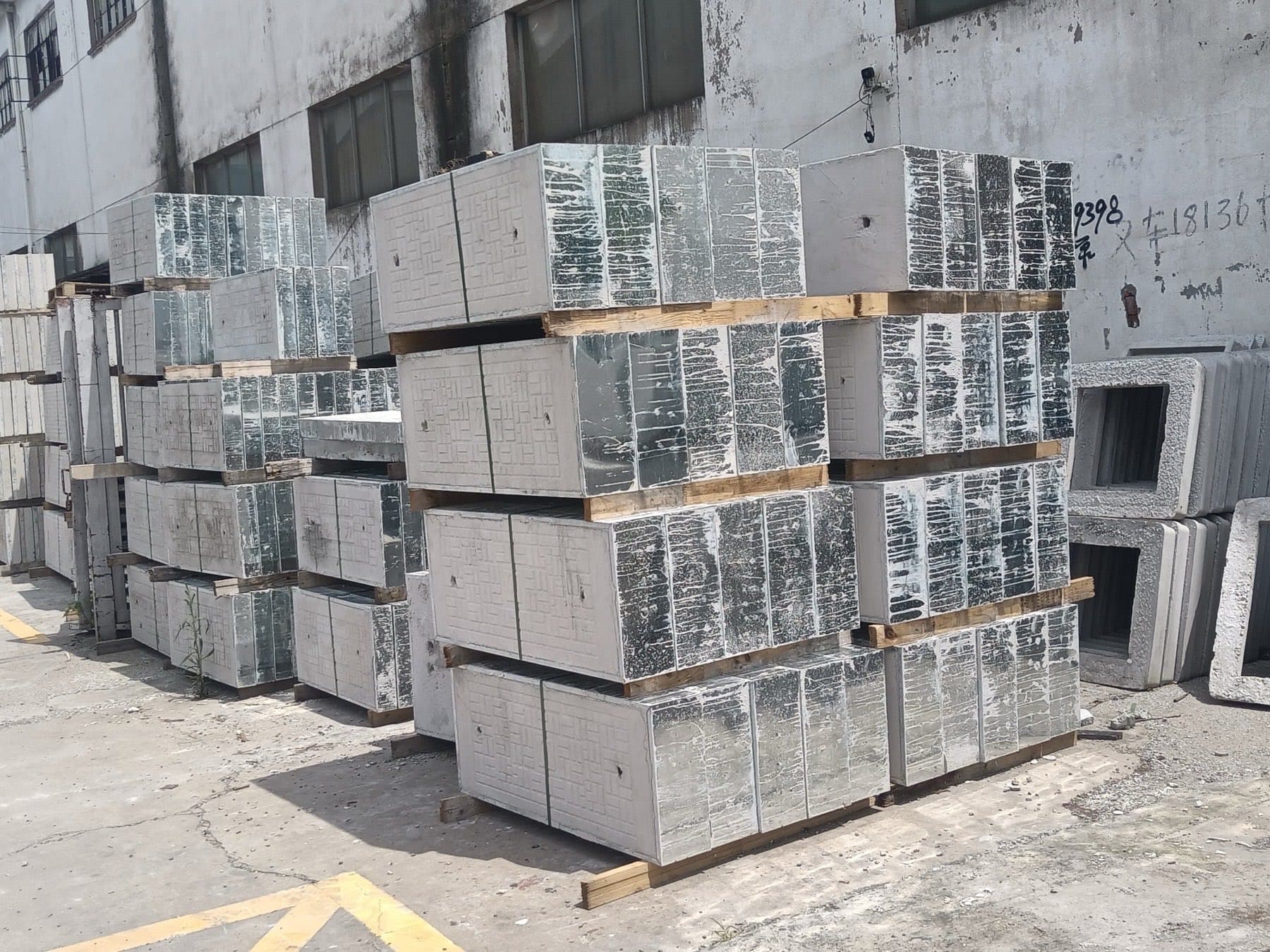
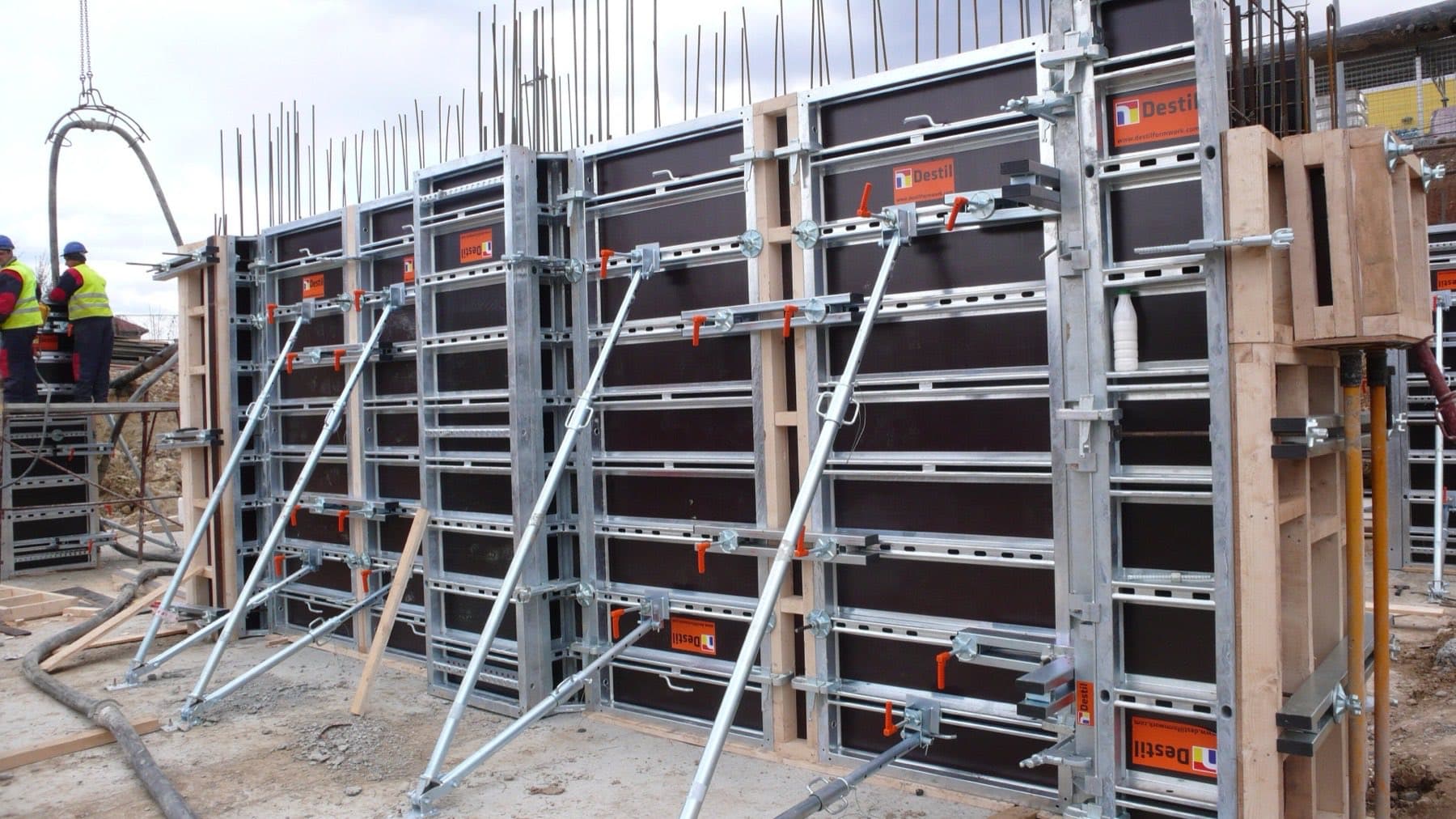
There is a word that ends conversations early in this industry, and the word is custom. A designer needs an opening in a different place, assumes that means a new mould, prices in twelve weeks, and quietly redesigns around a standard unit that fits worse.
Three tiers, not two
The useful distinction is not standard versus custom. It is standard, modified and custom — and the middle tier covers most of what gets called custom.
- Standard: existing tooling, catalogue dimensions, shortest lead time.
- Modified: existing tooling with a blockout, an insert or a length change. Days, not months.
- Custom: genuinely new tooling, and worth it only at volume.
Ask the plant before you redesign. The answer is cheaper than the workaround more often than you would expect.
A plant with a full mould inventory can usually say within a day which tier a request falls into. The cost of asking is one email. The cost of assuming is a design compromise that ships.